Why Is Chick-fil-A So Expensive? 2026
“Why is Chick-fil-A expensive?” is one of the most-Googled fast food questions in America, and honestly, it’s a fair one. The short answer: fresh, never-frozen chicken, heavier staffing for that famous service, and a deliberate refusal to play the discount game. Prices are up about 55% since 2014, but you’ll never find a true dollar menu item here.
Here’s the thing: the sticker shock is real, and it’s not your imagination. Back in 2012, Chick-fil-A’s spicy chicken sandwich sold for about $2.95; today it’s around $5.29, roughly a 65% jump, well beyond inflation. So I looked into what drives Chick-fil-A prices so high. Turns out the answer is more interesting than just “corporate greed.”
🍗 It Starts With the Chicken, And Chicken Isn’t Cheap Anymore
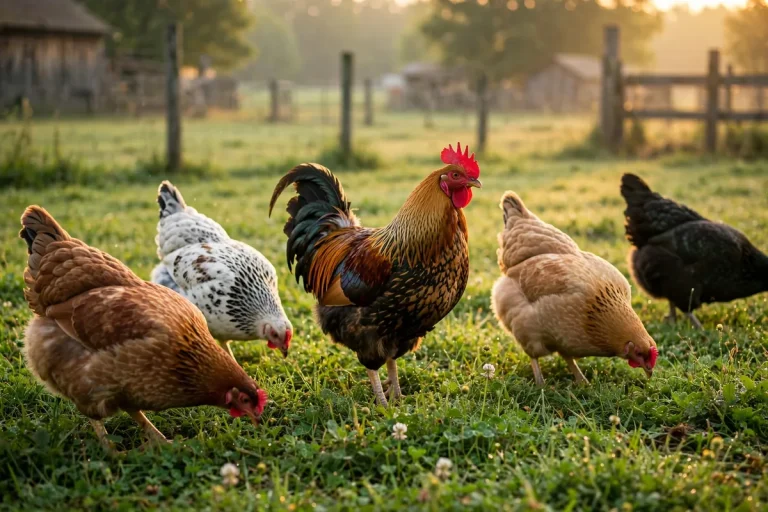
The single biggest reason Chick-fil-A’s prices run hot is the bird itself: fresh, never frozen, hand-breaded in every restaurant, and held to sourcing standards most chains can’t afford.
Fresh chicken costs more at every step, transport, storage, shorter shelf life, more waste. But Chick-fil-A doubled down on sourcing standards. Back in 2014, the company pledged to serve chicken raised with no antibiotics ever, a promise meant to be fully in place within five years. It kept that promise for a decade, then in spring 2024 quietly shifted to “No Antibiotics Important to Human Medicine” (NAIHM), which allows animal-only antibiotics if a bird gets sick. Why? Supply: with 3,300+ locations and avian flu outbreaks squeezing US poultry farms, it couldn’t buy enough antibiotic-free chicken to stock every restaurant.
And here’s a twist most people don’t know: in December 2020, Chick-fil-A sued Tyson Foods, Perdue Farms, Pilgrim’s Pride and 13 other poultry producers in federal court, accusing them of fixing chicken prices since 2014. Premium chicken costs premium money, and sometimes suppliers charge even more than that.
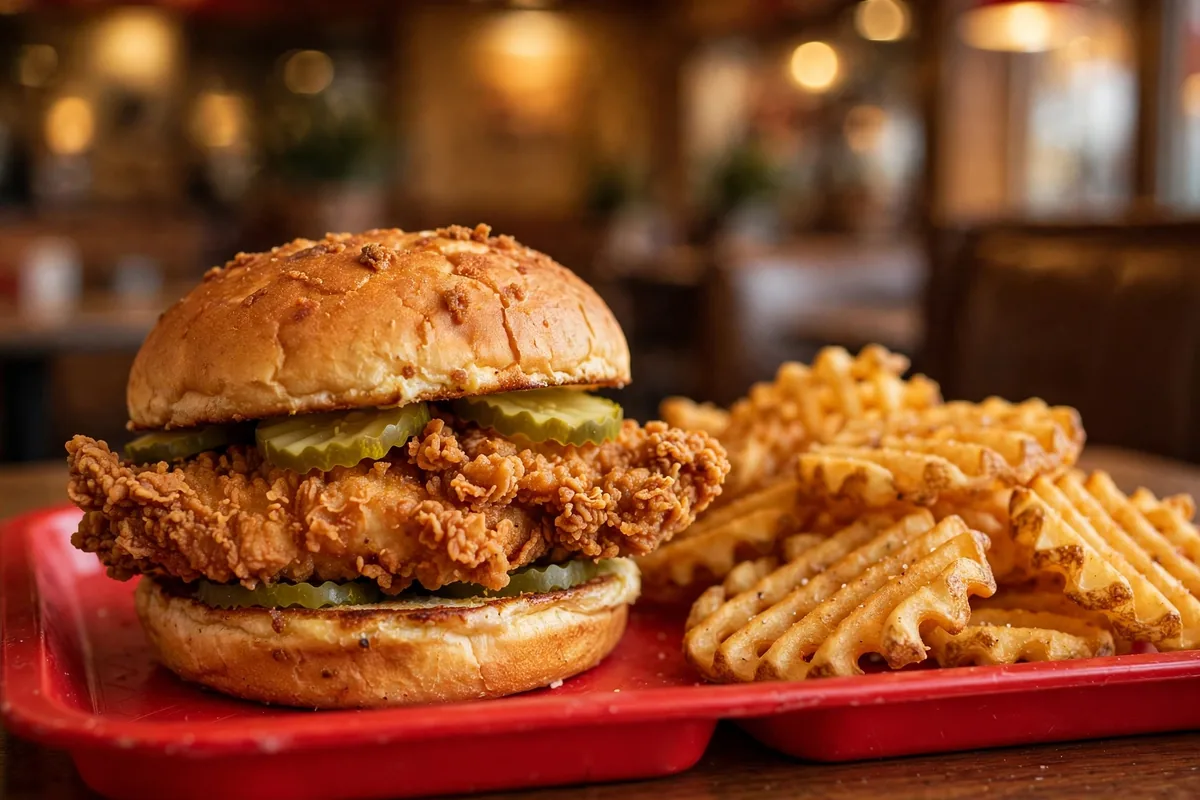
Then there’s the cooking: whole breast filets, not formed patties, hand-breaded in the restaurant and pressure-cooked in peanut oil, which costs meaningfully more than standard fry oil. Every one of those choices lands on your receipt.
🤝 You’re Paying for the Service, Not Just the Sandwich
Chick-fil-A deliberately overstaffs its restaurants, especially the drive-thru, and in 2026, labor is the most stubborn cost in the entire restaurant industry.
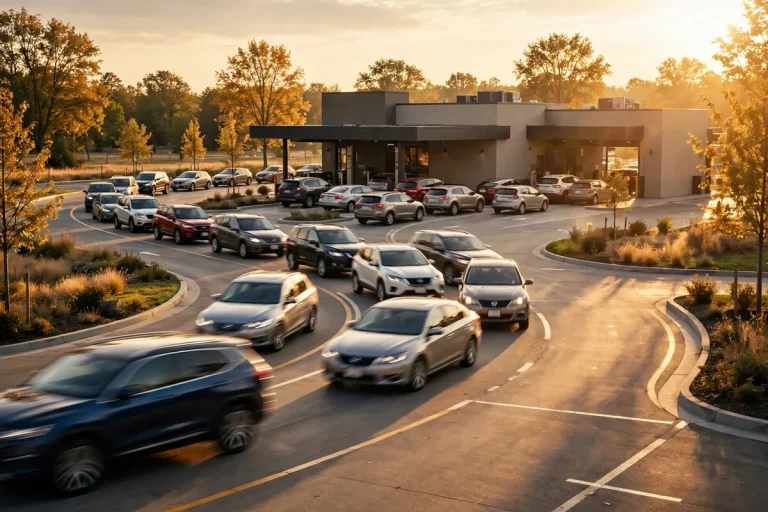
Think about your last visit. Someone with a tablet took your order outside while you were still in line. The drive-thru had two lanes moving like a choreographed operation. Inside, a team member probably walked your tray to the table and answered “my pleasure” when you said thanks. That doesn’t happen by accident, it happens because there are simply more people on the floor than at a McDonald’s or Wendy’s doing the same sales volume. As Stephens analyst Jim Salera told CNBC, commodity costs have started to normalize across the industry, but “what continues to be ahead of historical averages is the increase in labor costs that restaurants are seeing.” Chick-fil-A, with its labor-heavy service model, feels that pressure more than almost anyone. Every “my pleasure” has a price tag, and it’s baked into the menu.
💲 Why Is Chick-fil-A Expensive Compared to McDonald’s?
McDonald’s will sell you dollar-menu items at near cost to get you through the door; Chick-fil-A simply refuses to play that game.
This is really the heart of it. Chick-fil-A has positioned itself as the premium option in fast food, and premium brands don’t do loss leaders. There’s no 99-cent anything. No rotating $5 meal deal designed to steal headlines. The company would rather charge what the food costs and keep its margins honest than race competitors to the bottom.
Here’s what surprises people: Chick-fil-A’s prices haven’t risen as fast as its rivals’. FinanceBuzz data shows Chick-fil-A up about 55% from 2014 to 2024, versus roughly 100% for McDonald’s. Fast food prices across the sector rose between 39% and 100% in that decade, well ahead of the 33% national inflation rate. So the gap between Chick-fil-A and the “cheap” chains is narrower than it’s been in years.
And customers keep voting with their wallets: about $22.7 billion in system-wide sales in 2024 (up nearly 14%) from just 3,300 locations, and 11 straight years atop the American Customer Satisfaction Index, scoring 83 in 2025.
🧾 The Little Things That Quietly Add Up
Beyond chicken and labor, a handful of smaller choices pile on, and they all point the same direction.
- Premium ingredients everywhere: real lemons hand-squeezed for the lemonade, peanut oil in the fryers, waffle fries cut fresh. Nothing about the ingredient list is bargain-bin.
- Closed on Sundays: founder S. Truett Cathy made every location close on Sundays back in 1946, and the rule still stands. That’s one fewer revenue day to spread rent, equipment and salaried costs across, so the other six days carry the load.
- Packaging and presentation: sturdier packaging and branded bags, pricier than the flimsy wrap at budget chains.
- Private and picky: still privately held, no shareholder pressure for discount wars, and no subsidizing prices for market share.
❓ Chick-fil-A Prices: Frequently Asked Questions
Is Chick-fil-A more expensive than McDonald’s?
Generally, yes, meal for meal, Chick-fil-A runs higher than McDonald’s. But the gap has narrowed: McDonald’s prices jumped about 100% from 2014 to 2024, while Chick-fil-A’s rose roughly 55% (FinanceBuzz). So while Chick-fil-A prices feel high, the premium over budget chains is smaller than it used to be.
Is Chick-fil-A worth the money?
Customers clearly think so: 11 straight years atop the American Customer Satisfaction Index (83 in 2025) and about $22.7 billion in 2024 system-wide sales, up nearly 14%. You’re paying for fresher ingredients, faster and friendlier service, and consistency most chains can’t match.
Why is Chick-fil-A expensive compared to Popeyes or KFC?
It comes down to the supply chain. Chick-fil-A uses fresh, never-frozen whole breast filets, hand-breaded in each restaurant and pressure-cooked in peanut oil, held to stricter antibiotic standards (NAIHM). Popeyes and KFC lean more on frozen supply and lower-cost sourcing, plus they run heavier discount promotions. Premium chicken costs premium money at every step.
Will Chick-fil-A prices keep going up?
Probably, gradually. Analysts say restaurant labor costs remain “ahead of historical averages” (Stephens via CNBC), and sourcing chicken to Chick-fil-A’s standards for 3,300+ locations isn’t getting cheaper, especially with avian flu still hitting US poultry farms. The good news: its 55% decade-long rise trails the industry, so the increases have been slower than most rivals.