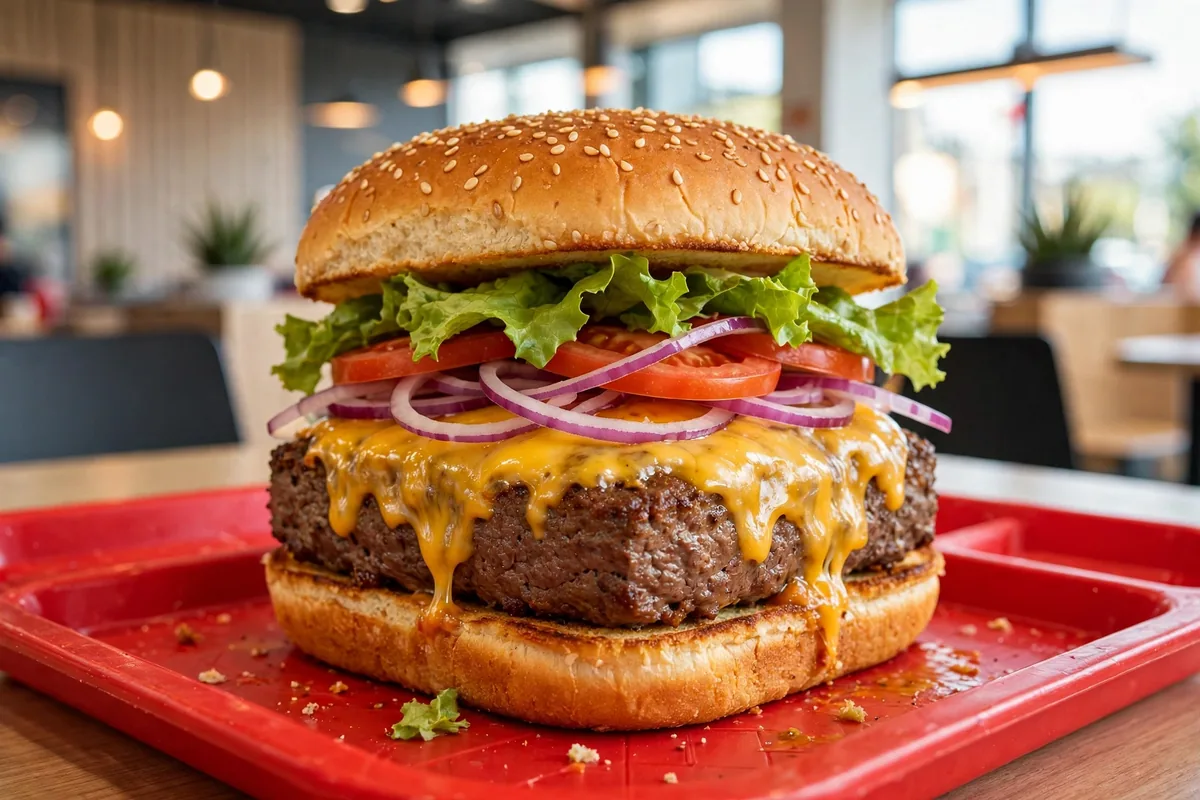
Who Owns Wendy’s?
No single person owns Wendy’s. The chain is run by The Wendy’s Company, a publicly traded business on the Nasdaq under the ticker WEN, so thousands of shareholders own pieces of it. The biggest slice belongs to billionaire Nelson Peltz, whose Trian investment firm controls roughly a quarter of the company.
Here’s the thing, though. Wendy’s didn’t start as some Wall Street chessboard. In 1969, a guy named Dave Thomas opened a little hamburger stand in Columbus, Ohio, and named it after his eight-year-old daughter, Melinda Lou. The kids called her “Wendy,” and the square burgers became legend.
So how did we get from Dave Thomas flipping patties to a billionaire activist investor holding a quarter of the chain? Honestly, it’s one of the wildest ownership stories in fast food, and it explains why headlines keep asking whether Wendy’s might get bought out entirely in 2026.
No One Person Owns Wendy’s. The Shareholders Do.
The simplest answer first: Wendy’s is a public company. That means no individual, not even the CEO, can walk in and say “this is mine.” Thousands of shareholders own The Wendy’s Company through its stock, and together they elect the board of directors that steers the ship.
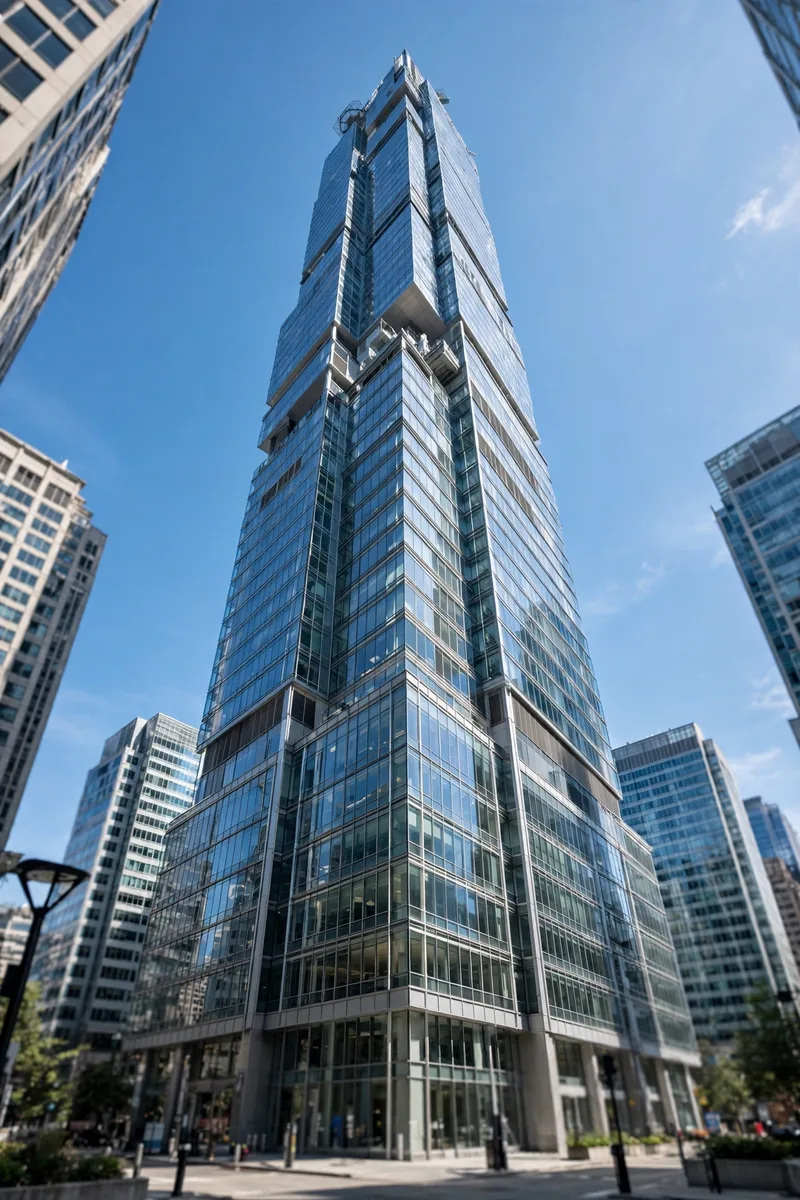
The company sits at One Dave Thomas Boulevard in Dublin, Ohio, a nice little tribute to the founder, and trades under the ticker symbol WEN. It oversees nearly 7,000 Wendy’s restaurants across North America, Europe, Asia and the Middle East, which makes it one of the largest burger chains on the planet. But here’s a twist most people miss: the company doesn’t actually own most of those restaurants. More on that in a minute.
The Biggest Slice Belongs to Billionaire Nelson Peltz
If anyone comes closest to “owning” Wendy’s, it’s activist investor Nelson Peltz. His firm Trian Fund Management, plus his personal holdings, add up to about 24 percent of the stock (roughly 16 percent in Peltz’s own name and another 8 percent through Trian). That makes him by far the largest shareholder of Wendy’s.
This didn’t happen overnight. Trian first bought into Wendy’s way back in 2005, and Peltz has been pulling strings ever since. Back in 2008, his holding company Triarc, which owned Arby’s at the time, acquired Wendy’s in an all-stock deal. For a few strange years the company was literally called Wendy’s/Arby’s Group. Then in 2011, Arby’s got sold off to Roark Capital, and what was left became The Wendy’s Company we know today.
Peltz has a habit of buying big chunks of underperforming brands and shaking things up. In February 2026 he filed paperwork with the SEC declaring Wendy’s stock “undervalued” and said he was talking to potential partners about strategic options, including buying more shares. Then in August, the Financial Times reported he was assembling a consortium, possibly including Flynn Group (one of Wendy’s biggest franchisees) and an Abu Dhabi investment firm, to take Wendy’s private. The stock jumped about 15 percent on the news. Nothing is decided yet, but it’s the second time in a few years a take-private bid has been on the table.
So Who Runs Wendy’s Day to Day?
Ownership and management are two different things. The day-to-day boss is CEO Bob Wright, who took the top job on May 21, 2026. He’s actually a Wendy’s veteran who left, spent time turning around the Potbelly sandwich chain, and then came home. The company hired him to fix what’s been a rough stretch of falling sales and hundreds of underperforming store closures under a turnaround plan called Project Fresh.
Before Wright, Kirk Tanner was CEO, but he left in 2025 to run The Hershey Company, and CFO Ken Cook kept the seat warm as interim CEO. The board of directors is chaired by Arthur B. Winkleblack, and yes, Peltz’s people have seats at the table too, including Trian executive Peter May and Peltz’s son Bradley. When your biggest shareholder also sits on your board, those meetings must be interesting.
Most Wendy’s Restaurants Are Owned by Franchisees
Here’s the part people always forget. When you ask who owns Wendy’s, you might really be asking who owns the actual restaurant down your street. And the answer is almost always: not The Wendy’s Company. The vast majority of Wendy’s locations are franchised, meaning local business owners run them under the Wendy’s name and pay royalties back to the company.
Some of these franchisees are enormous. Flynn Group, for example, operates around 200 Wendy’s restaurants across the US, Australia and New Zealand, making it one of the largest franchisees in the system. Others are family businesses running a handful of stores. It also means that when a big franchisee runs into trouble, like the Wendy’s franchisee Meritage that filed for bankruptcy with over 300 restaurants at risk, it shakes the whole brand.
❓ Frequently Asked Questions
Who owns Wendy’s?
Wendy’s is owned by the shareholders of The Wendy’s Company, a publicly traded business (Nasdaq: WEN). No single person owns it outright, but the largest shareholder is activist investor Nelson Peltz, whose Trian firm controls roughly 24 percent of the stock.
Is Wendy’s publicly traded? What is the stock ticker?
Yes, Wendy’s is publicly traded. The Wendy’s Company trades on the Nasdaq under the ticker symbol WEN, and it is a component of the S&P 600 index.
Who is Nelson Peltz and how much of Wendy’s does he own?
Nelson Peltz is a billionaire activist investor whose Trian Fund Management first bought Wendy’s stock in 2005. Between his personal holdings (about 16 percent) and Trian’s stake (about 8 percent), he controls roughly a quarter of the company, making him the largest shareholder of Wendy’s.
Are Wendy’s restaurants franchised?
Yes, the vast majority of Wendy’s restaurants are owned and operated by franchisees, not by The Wendy’s Company itself. Large operators like Flynn Group run hundreds of locations, while many are family-owned businesses running just a few stores.
📅 Prices last verified: October 18, 2026. This explainer contains no menu prices; ownership facts were checked against SEC filings and official company announcements. For current food prices, see the official Wendy’s menu page.