What Happened to the Burger King Mascot?
The Burger King mascot has been hired, fired, and hired again more times than most sitcom actors. The silent, oversized-head “King” was retired in 2011 because executives said he scared away women and children, made a comeback in 2015 walking Floyd Mayweather to the ring, and was retired again in March 2026.
Think about it. How many fast food mascots do you actually remember? Ronald McDonald, sure. The Taco Bell chihuahua, maybe. But the King is in a league of his own. Not because he was beloved. Because he was genuinely unsettling.
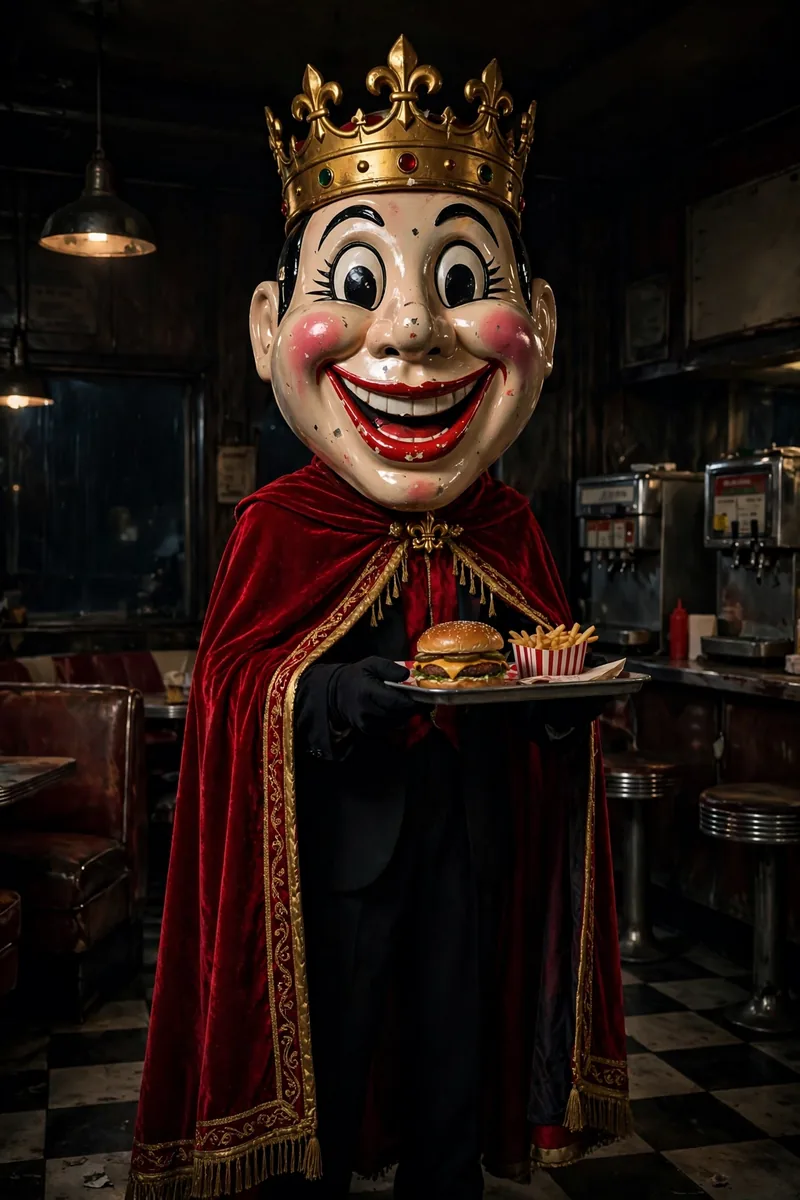
I looked into this because the story is weirder than you think. A guy in a plastic mask with a frozen grin, showing up in people’s bedrooms to hand them breakfast sandwiches, became one of the most talked-about ad campaigns in America. Then he vanished. Then he came back. Then he vanished again. Here is the whole strange ride.
The King Was a Cartoon Long Before He Got Creepy
The Burger King mascot has actually been around since the chain’s earliest days, and he didn’t start out terrifying anyone. In the 1950s, a royal character appeared in print ads for the young chain. By the early 1970s, a small animated “Little King” (voiced by Allen Swift) was doing the kids’ TV commercial circuit.
In 1976, Burger King went bigger. They rolled out the “Marvelous Magical Burger King,” a live-action, red-bearded king in Tudor-style clothes who did magic tricks and ran a fantasy kingdom. Sound familiar? It was a direct shot at McDonald’s and Ronald. This version ran all the way into the late 1980s before getting quietly phased out for the BK Kids Club Gang.
The Creepy King Era: 2004 to 2011
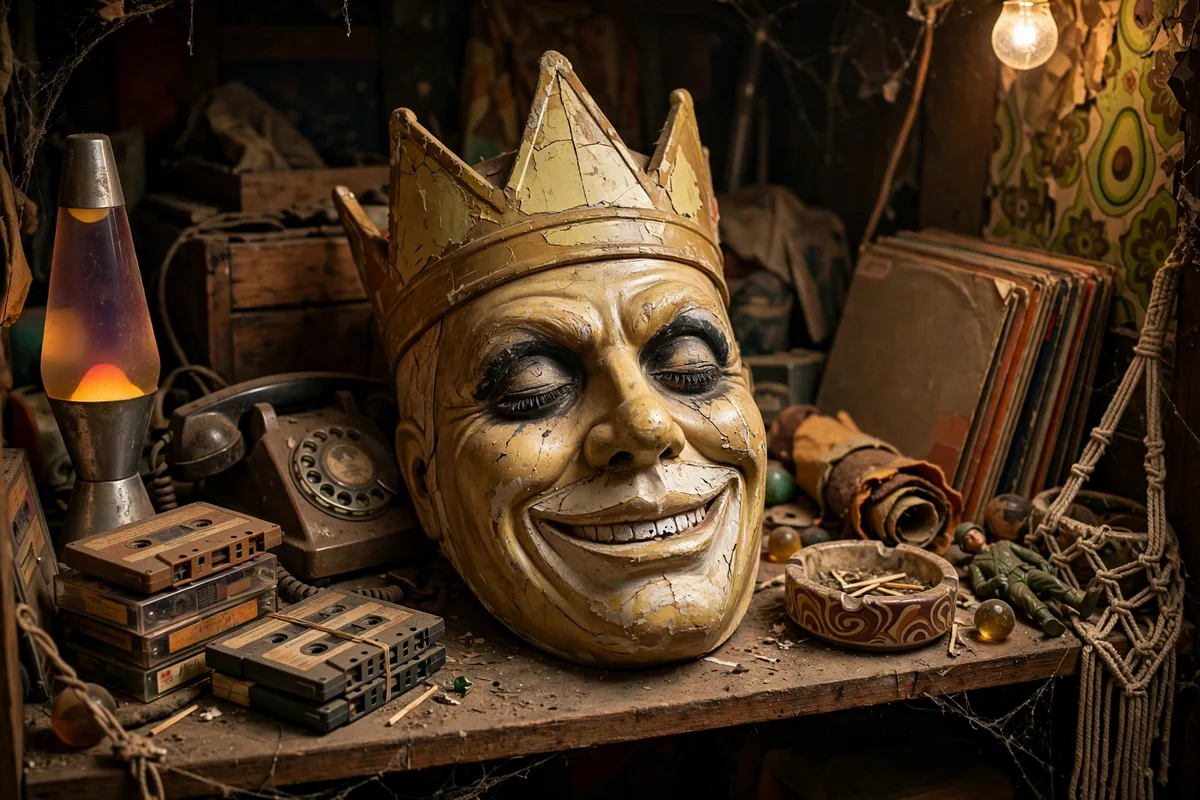
In 2003, Burger King handed its advertising account to a Miami agency called Crispin Porter + Bogusky, and they decided to bring the King back, weirder than ever. Here is the part that sounds made up but isn’t: during brainstorming, someone at the agency found a 1970s-era oversized Burger King head for sale on eBay. They bought it, restored it, and put it on an actor.
The new King never spoke. He just grinned, showed up in bizarre places, and silently offered people Whoppers. Woke up next to him in bed with a breakfast sandwich? That was a real commercial. He peered through windows. He lurked on NFL sidelines. It was deeply strange, and it worked, at least at first.
He even got his own video games. In November 2006, Burger King sold three Xbox games starring the King, Sneak King, Pocketbike Racer, and Big Bumpin’, for $3.99 with a value meal. Sneak King was actually a stealth game where you snuck up on hungry people to surprise them with food, and it won the Titanium Grand Prix at the Cannes Lions advertising festival. A fast food game. Winning Cannes. What a time.
Why Burger King Got Rid of the King in 2011
Here is where the crown slipped. The creepy King was a hit with young guys online, but that was the problem: he mostly appealed to young guys. New ownership (3G Capital took over in 2010) looked at sluggish sales and decided the brand needed to win back families, moms, and kids.
The explanation was refreshingly blunt. Burger King’s CFO at the time, Josh Kobza, said the character was being dropped because he “scare[d] away women and children” from the chain. Chief marketing officer Natalia Franco told USA Today: “People know us for the King, but we want them to know us for our food.”
So in August 2011, the King was officially retired as the brand’s primary mascot. The new ads went “food-centric”: fresh ingredients, real people, actual food on screen. The plastic grin disappeared from TV, and for a while, the King was just a Halloween costume memory.
The King’s Comeback in 2015 Was Absolutely Wild
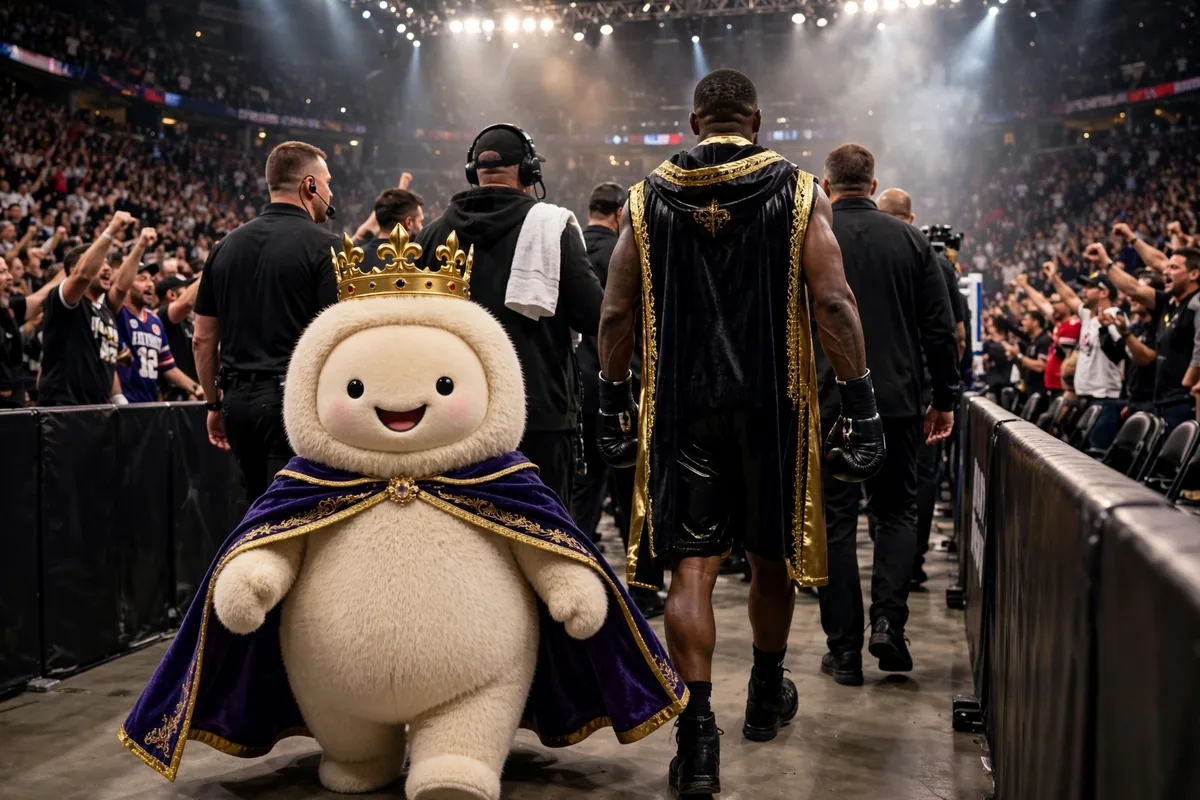
You’d think that was the end. It wasn’t. In May 2015, the King showed up in the last place anyone expected: Floyd Mayweather’s entourage for the “fight of the century” against Manny Pacquiao. Burger King reportedly paid $1 million to stick a silent plastic king in the ring walk of the most-watched boxing match ever.
People lost their minds. Twitter went nuts, half laughing, half horrified. Adweek estimated the King generated more than a week’s worth of publicity for Burger King just by standing there grinning.
BK kept the bit going all summer. The King appeared in a commercial for the return of $1.49 chicken nuggets. Then, horse trainer Bob Baffert accepted $200,000 to let the King stand behind him in the grandstand during the televised 2015 Belmont Stakes, the race where American Pharoah won the Triple Crown. Baffert had already turned down $150,000 for the Preakness, which tells you everything about how that negotiation went. The King popped up again at the 2018 Belmont with Justify.
Is the Burger King Mascot Gone for Good?
The short answer: he is gone again, at least as the brand’s face. In March 2026, Burger King retired the mascot once more, ending a 70-plus year run, and launched a “Whopper By You” campaign where customers themselves become the mascot.
Will he come back? Honestly, I’d never bet against it. The King has already been killed off twice, in 2011 and 2026, and both times Burger King couldn’t resist bringing the grin back. He is one of the few ad mascots who became a genuine internet legend, the kind of character people dress up as and make memes about decades later. Brands pay millions for that kind of cultural staying power.
So if you haven’t seen the King lately, don’t worry. History says give him a few years. He will probably show up in your bedroom with a Whopper when you least expect it.
❓ Frequently Asked Questions
Why did Burger King get rid of the King mascot in 2011?
Burger King retired the Burger King mascot in August 2011 because he was scaring away customers. CFO Josh Kobza said the creepy King “scare[d] away women and children,” and the new 3G Capital ownership pivoted to food-focused advertising aimed at families.
Why was the Burger King mascot so creepy?
The 2004 version was an unnamed actor wearing a restored 1970s-era oversized plastic head with a frozen grin, and he never spoke. Ads showed him appearing in people’s bedrooms, peeking through windows, and lurking on sidelines, which earned him the “Creepy King” nickname.
Did the Burger King King really walk out with Floyd Mayweather?
Yes. In May 2015, Burger King paid a reported $1 million to place the King in Floyd Mayweather’s entourage for the Mayweather vs. Pacquiao fight, marking the mascot’s first big return after the 2011 retirement.
Who plays the Burger King King?
The actor inside the suit was never officially credited, the King was always an anonymous performer. The famous 2000s-era mask itself came from a vintage 1970s Burger King head that ad agency Crispin Porter + Bogusky bought on eBay and restored.
Prices last verified: October 20, 2026. Burger King menu facts are maintained against Burger King’s official menu page, the source of truth for menu items.